
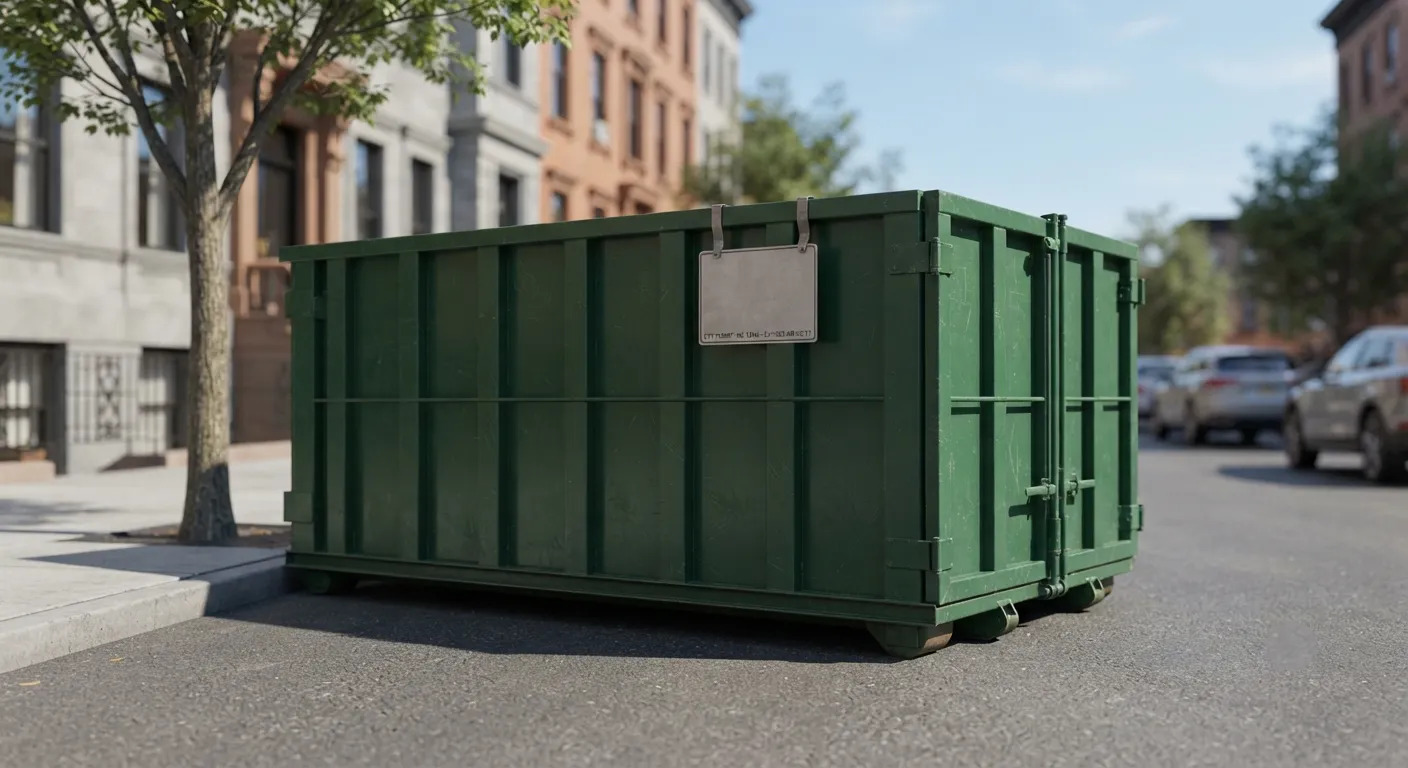
Do I need a permit to rent a dumpster in Largo?
Not verified as a blanket rule, so we tell every customer the same thing: confirm placement with the city before delivery day. What we can say for certain is that a 10 yard dumpster rental or larger box needs about 60 feet of straight clearance behind the truck for a safe drop, which is a hard physical requirement no matter what the paperwork says. If your driveway or lot cannot give the driver that clearance, the box may need to sit closer to the street, and that is exactly the situation that tends to need a permit. Largo has plenty of tight driveways and narrow lots near older neighborhoods, so this comes up more than people expect. Before you book a 20 yard dumpster rental or a 30 yard dumpster rental, walk the delivery path and measure it. We can talk through placement options when you request a quote, but the city has the final word on right of way use, not us.
Where can I put a dumpster without a permit?
Private property is the safe zone. A driveway, a side yard, a fenced construction site, a commercial parking lot: these are the placements least likely to need sign-off from the city, though we always tell Largo customers to double check before the truck rolls. Right of way placement, meaning the street, the curb lane, or a public sidewalk, is the placement most likely to require paperwork, and rules here vary a lot by city. Some cities, like Jersey City or the city of Chicago, run dedicated dumpster permit programs with their own application and fee schedule. Pittsburgh runs a similar structure through its public works department. Largo has not published a comparable fact set to us, which is exactly why we will not guess at a fee or a code number here. If your job puts the container anywhere near the street, even temporarily, that is the one variable that decides whether a permit conversation happens at all. This matters as much for a 40 yard dumpster rental as it does for a small residential box, since size on the street draws more attention than size on private land.
What information does a dumpster permit application usually need?
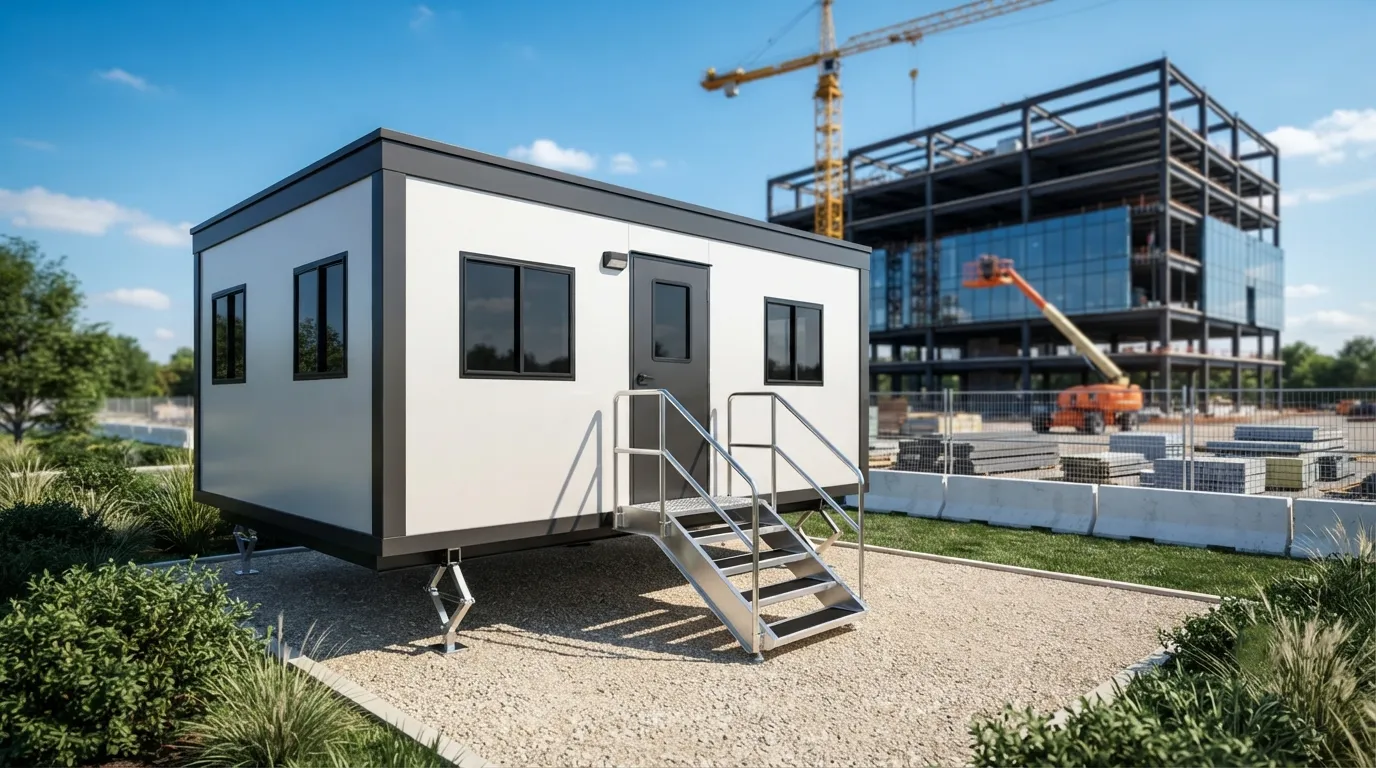
A typical dumpster permit application, in cities that run one, asks for the address, the dates the container will sit in place, the dimensions of the unit, and sometimes a site sketch showing the container relative to the curb and any sidewalk. Chicago and Pittsburgh both run application processes along these lines, though the specific forms and fees differ by city and we are not going to attribute a Largo-specific fee to either of them. Knowing your dumpster's footprint ahead of time helps the application move faster, so check dumpster sizes and dimensions before you fill anything out. If you are renting for a home project, a home renovation porta potty and a dumpster often get requested together, and both may sit on the same driveway pad without touching the right of way at all. For active job sites, construction site services and construction dumpster rental bookings typically involve enough site planning already that permit questions get folded into the broader logistics conversation.
What else should I plan for besides the permit question?
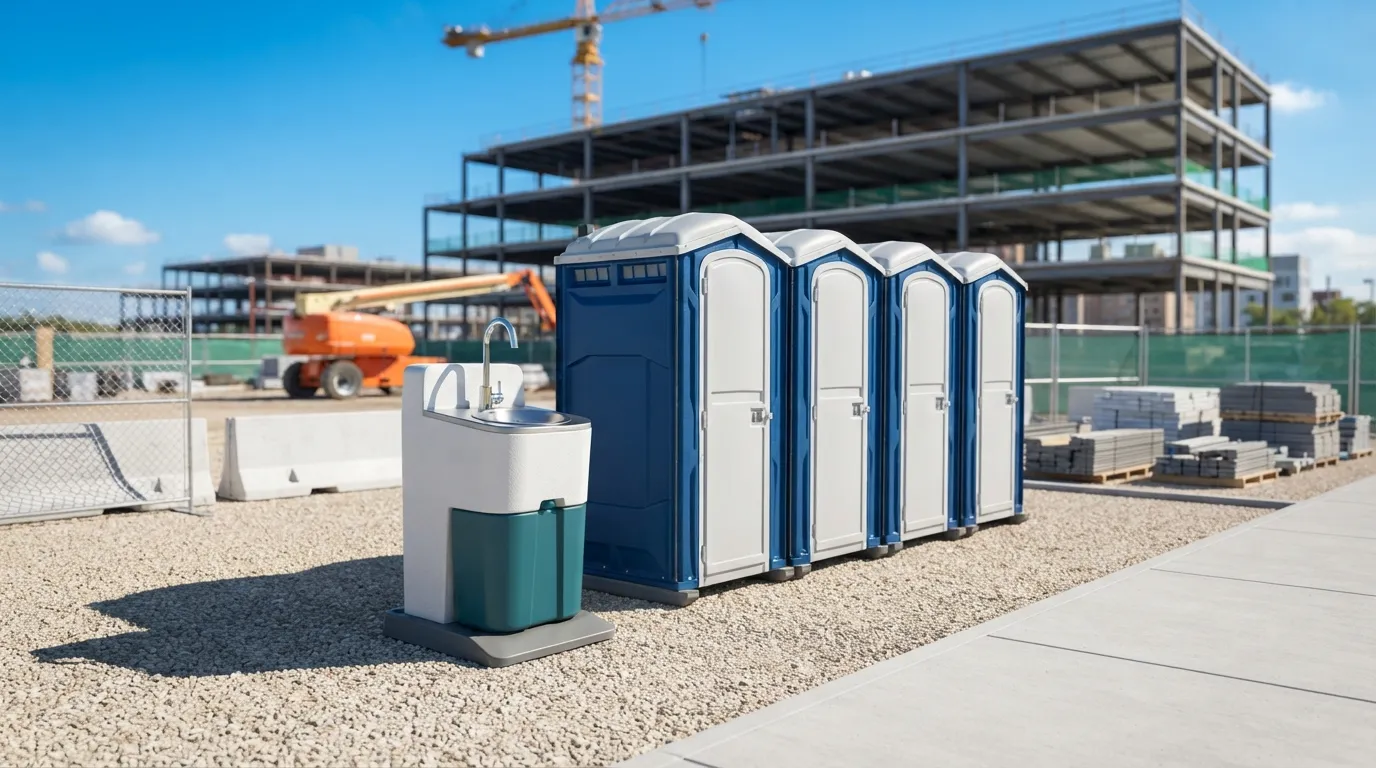
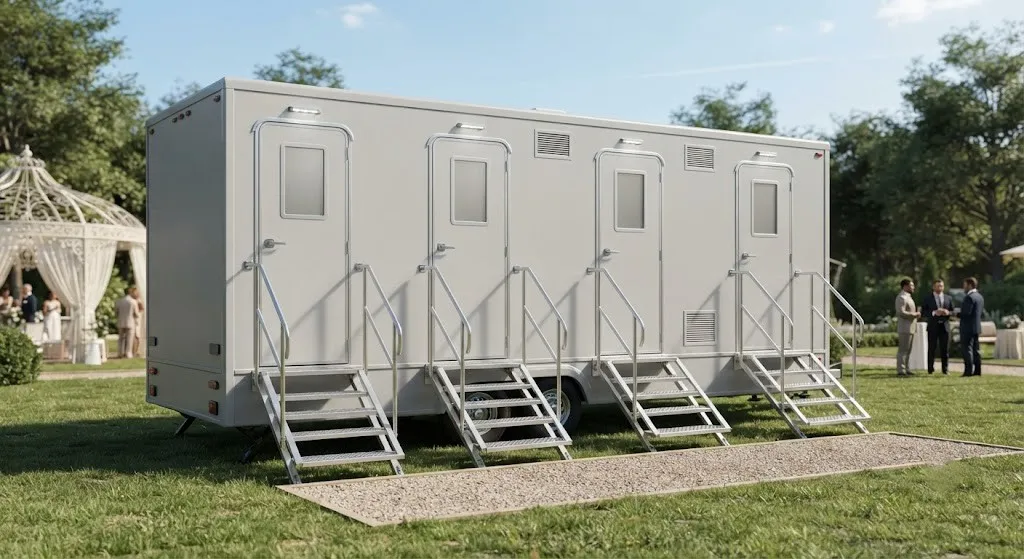
Weight and contents matter as much as placement. Check dumpster weight limits before loading, since overage fees are common industry-wide, and review what cannot go in a dumpster so the load does not get rejected at the transfer station. If your project also needs sanitation, most Largo job sites pair the dumpster with a portable toilet rental or a standard porta potty rental, and OSHA 1926.51(c) sets the toilet ratio for construction crews: one toilet for 20 workers or fewer, then additional fixtures per 40 workers up to 200. Sites clearing debris also fall under OSHA 1926.25 for general housekeeping and OSHA 1926.252 if a chute or enclosure is involved. None of that is a substitute for checking Largo's own placement rules, but it is worth planning both at once, since a delivery truck for a dumpster and a service truck for a toilet often need the same clearance. Pull pricing for both together and you avoid a second delivery fee later.
Frequently Asked Questions
Does a residential dumpster on my own driveway need a permit?
Usually not, since driveway placement stays on private property. But confirm with the city directly rather than assume, because rules differ by jurisdiction. If the container has to overhang the sidewalk or curb even slightly, treat it like a street placement question instead.
How long can a dumpster sit on the street?
This is set city by city, and Largo has not published a figure we can quote confidently. Cities like Chicago and Pittsburgh cap street placement by permit duration. Ask before delivery, not after the box is dropped.
What happens if I place a dumpster without checking first?
You risk a fine, a relocation order, or a stop on pickup until it is resolved. It costs almost nothing to make one call to the city first. We would rather help you avoid that call turning into a bigger problem.
Does the dumpster size change whether I need a permit?
Size on private property rarely changes the permit picture. Size on the street usually does, since a larger box eats more of the right of way and blocks sightlines longer. Compare footprints on dumpster sizes and dimensions first.
Can Largo Porta Pros help me figure out placement before I apply?
Yes, within limits. We can look at your site, tell you what clearance the delivery truck needs, and flag if street placement looks likely. We are not the permitting authority, so the final approval always comes from the city.
Next step
Get a delivery date
Tell us the address, the dates and the headcount. We size the order and confirm the route.